What Makes a Great Steakhouse Stand Out From the Average Grill
A great steakhouse begins long before beef reaches the grill. It depends on cattle selection, fat distribution, ageing, clean heat, rested muscle fibres, and service that respects the table. Guests may not name each detail, yet they sense precision in aroma, texture, timing, and the calm movement of staff. Average grills feed appetite. Strong steakhouses deliver comfort, craft, and consistency, so dinner feels cared for from booking through the final plate.
A Clear Food Point of View
People compare Melbourne steak restaurants through cut choice, cooking style, sauce balance, side quality, and dining pace. A serious steakhouse makes those signals easy to read. The menu, grill marks, resting period, and staff guidance should all point in one direction, giving guests confidence even before they place their orders.
Better Beef Selection
Good beef carries visible marbling, a clean aroma, and firm muscle structure. Ageing increases tenderness because natural enzymes soften fibres over time. Cut thickness also matters, since thin steak loses moisture quickly. Staff should explain ribeye, rump, eye fillet, sirloin, and porterhouse with practical clarity, helping guests match flavour, texture, appetite, and price.
Skilled Heat Control
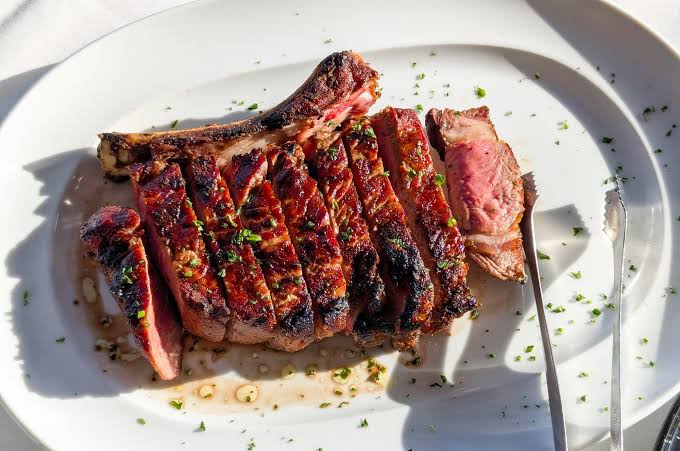
Heat management separates craft from guesswork. A skilled grill team controls surface temperature, internal doneness, resting time, and carryover cooking. Medium-rare should feel warm, pink, and juicy, without a cold centre. Char needs to have its bitterness kept in check. Fire should build a savoury crust while protecting the moisture inside the beef.
Seasoning With Restraint
Seasoning should sharpen flavour, not overpower it. Salt draws surface moisture, then helps form a crust as heat rises. Pepper, butter, herbs, smoke, or basting need a purpose. Heavy sauces can flatten differences between cuts. Better kitchens allow fat, fibre, and juices to remain recognisable, letting each steak show its own character.
Consistency Across Visits
One good plate proves skill, but repeat quality proves discipline. Strong steakhouses rely on portion checks, supplier standards, grill training, temperature control, and clear communication between the kitchen and floor staff. Regular guests return because the experience feels steady without feeling mechanical. Predictability, when handled well, becomes part of hospitality.
Sides That Matter
The sides you choose should support the steak with texture, acidity, freshness, or richness. Crisp chips, dressed leaves, grilled vegetables, onion rings, and sauces can balance protein and fat. Weak accompaniments make a careful main course feel unfinished. Serious kitchens treat these items as part of the plate, not as mere decoration.
Service That Reads the Table
Timing
Service has a clinical rhythm when handled well. Staff notice empty glasses, finished starters, cooling plates, and body language. Guests should never feel rushed or abandoned. A check after the steak arrives is essential, because doneness can still be corrected while the dish remains hot and enjoyable.
Knowledge
Useful guidance sounds calm and precise. Staff should explain cuts, cooking levels, sauces, and wine without turning dinner into a lecture. Families, couples, business tables, and first-time guests need different levels of detail. Good service senses that difference, then helps quietly.
Atmosphere With Purpose
A steakhouse should feel settled before it feels impressive. Lighting must flatter food, seating should support good posture, and music should leave room for conversation. Grill aroma can add warmth, provided ventilation keeps the smoke comfortable. The room should suit celebrations, regular dinners, and relaxed group meals without forcing one mood on every table.
Value Beyond Price
Value is the relationship between cost and care. Guests weigh the bill against beef quality, cooking accuracy, portion size, service, comfort, and pace. A higher price can still feel fair when every element holds together. Cheap food feels costly if the steak arrives dry, the sides lag behind, or the staff miss out on obvious needs.
A Focused Menu
A focused menu often signals a confident kitchen. Fewer dishes allow tighter prep, cleaner stock rotation, faster service, and better control over doneness. Range still matters, especially across cuts, sauces, seafood, poultry, vegetables, and desserts. The best menus offer choice without asking the kitchen to chase too many directions.
Details Guests Remember
Memory forms around small signals. Warm plates, clean glassware, sharp knives, accurate bookings, steady wait times, and timely sauces all affect trust. Problems matter less when staff respond quickly and plainly. These details may seem minor, yet they show whether a venue understands how guests actually experience a meal.
Conclusion
A standout steakhouse earns loyalty through judgement, restraint, and repetition. Better beef, controlled heat, balanced seasoning, informed service, and a focused menu work as one system. Guests may book for steak, yet they return because the meal feels dependable and well-paced. Average grills serve cooked meat. Great steakhouses protect flavour, comfort, and trust, which turns a simple dinner into an experience people choose again.




Post Comment