The Ultimate Guide to Brewing Better Coffee at Home
Introduction
Better coffee at home starts with a few controllable details, rather than expensive equipment or complicated routines. Fresh beans, clean water, correct grinding, and steady brewing temperatures can change the cup noticeably. Our daily method becomes more reliable when each variable receives simple attention. Small adjustments also make it easier to identify what works for a preferred roast. With a practical process, home brewing can produce balanced flavor, pleasant aroma, and consistent results without unnecessary effort.
Fresh coffee begins with suitable beans and proper storage. Whole beans generally retain aroma better than pre-ground options because less surface area meets air. A medium roast can offer balanced sweetness, acidity, and body for many brewing methods. Darker roasts often taste richer, while lighter varieties can show brighter fruit or floral notes. Choose beans with a recent roast date, then keep them sealed in an opaque container away from heat, moisture, and sunlight.
Use the Right Grind
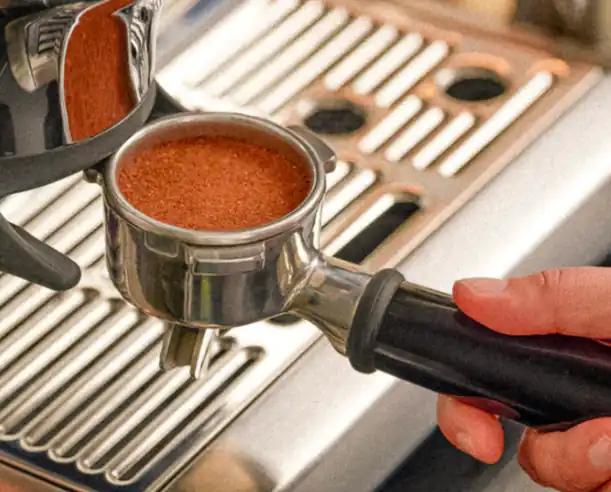
Grind size has a direct effect on extraction. Coarse particles suit French press brewing, while medium grinds work well for drip methods. Fine particles are commonly used for espresso. A burr grinder creates more uniform pieces, helping water pass through the grounds at a steadier rate. If the drink tastes sour and thin, a finer setting may help. Bitter or harsh results can indicate excessive extraction, so a coarser adjustment may improve balance.
Measure Coffee and Water
Consistent measurements make each brew easier to repeat. A kitchen scale provides better control than using different spoon sizes. A practical starting point is about 60 grams of coffee per liter of water. Personal preference can then guide small changes. Using filtered water may also improve flavor, especially where tap supplies contain strong mineral or chlorine notes. Clean water allows the beans’ natural characteristics to remain clearer in the finished cup.
Control Brewing Temperature
Water temperature affects how quickly compounds leave the grounds. For most manual and drip methods, water around 90 to 96 degrees Celsius provides a useful starting range. Boiling water can produce harsh flavors with some coffees, while cooler liquid may create weak extraction. A thermometer helps maintain consistency, although experienced brewers can also judge heat by timing after boiling. Stable temperature matters more than chasing a single perfect number.
Improve the Brewing Process
Good technique depends on even contact between water and coffee. For pour-over brewing, a slow circular pour can wet the grounds consistently. A short blooming period allows trapped gas to escape before the main pour continues. Drip machines benefit from clean filters, an unclogged showerhead, and regular descaling. French press users can stir gently, steep for about four minutes, then press slowly. Each method needs a repeatable routine for reliable flavor.
Keep Equipment Clean
Coffee oils and mineral deposits can build up inside brewing equipment. Residue may create stale flavors, while scale can affect water flow and heating performance. Rinsing removable parts after use prevents buildup from becoming difficult to remove. Weekly cleaning suits many frequently used brewers, while descaling can follow the manufacturer’s recommended interval. Grinders also need occasional brushing to clear old particles from burrs and internal pathways.
Adjust One Variable at a Time
Improvement becomes easier when changes remain controlled. If a cup tastes bitter, changing grind size first can reveal whether extraction is the issue. Altering beans, temperature, water volume, and brewing time simultaneously makes the result difficult to interpret. Keeping brief notes about measurements and taste can reveal useful patterns. Over several sessions, this approach helps establish a dependable recipe for each preferred coffee.
Conclusion
Brewing better coffee at home does not require complicated equipment or advanced skills. Fresh beans, suitable grinding, measured water, controlled heat, and clean tools provide a strong foundation. Our results improve further when one adjustment is tested at a time and successful recipes are recorded. Taste remains the final guide, since personal preference varies between roasts and methods. A simple, consistent routine can turn everyday brewing into a more satisfying part of the morning.




Post Comment