How to Build a Balanced Weekly Meal Plan
Introduction
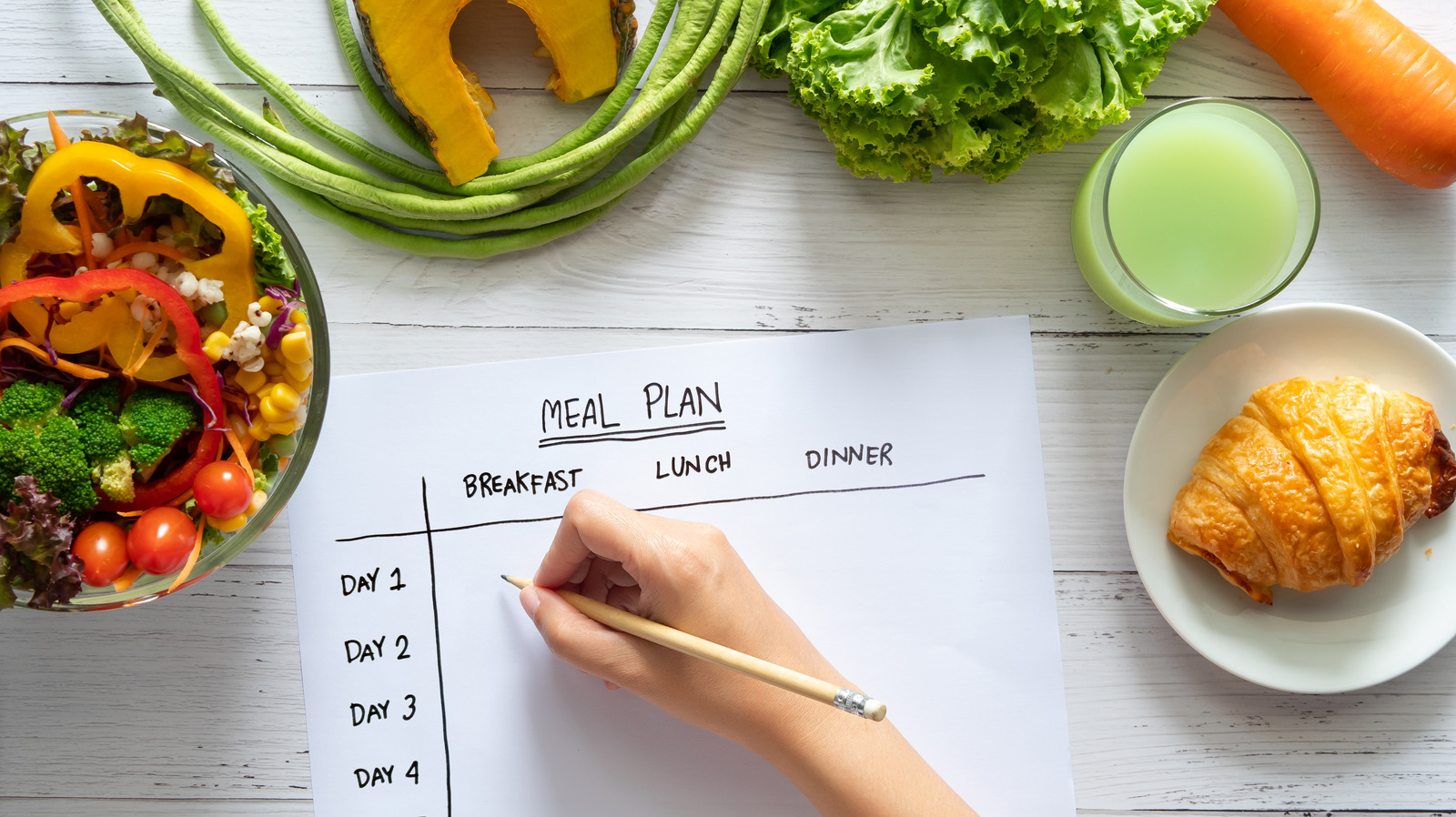
A balanced weekly meal plan gives each day a clear food structure without making meals repetitive. It can help households manage portions, include varied nutrients, reduce unnecessary spending, and limit last-minute food choices. A practical schedule starts with personal needs, preferred ingredients, available cooking time, and household routines. By planning meals across several days, our choices become easier to organize. A simple method also makes grocery shopping more focused, while helping fresh ingredients reach the table before they spoil.
Start With Weekly Needs
Before selecting dishes, consider the number of people eating, daily schedules, dietary needs, and cooking time. Busy evenings may suit quick meals, while quieter days can support longer recipes.
A useful plan should cover breakfast, lunch, dinner, and suitable snacks. Portion sizes can differ according to age, activity level, and individual requirements. Keeping these factors visible prevents an unrealistic schedule that becomes difficult to follow.
Build a Nutrient Mix
Each main meal can combine vegetables or fruit, a protein source, whole grains or other carbohydrates, and a suitable fat source. This approach creates variety across the week.
Protein options may include eggs, beans, lentils, fish, poultry, tofu, or lean meat. Carbohydrates can come from oats, brown rice, potatoes, whole grain bread, or similar foods. Vegetables should appear in different colors to broaden ingredient variety.
Plan Seven Days With Variety
Repeating favorite dishes can save time, but excessive repetition may reduce interest. A better approach rotates ingredients and cooking methods throughout the week.
For example, roasted vegetables can accompany one dinner, while the same produce can become part of a grain bowl later. Chicken might appear in a salad one day and a stir-fry another day. This method reduces waste while giving familiar ingredients a different role.
Create a Practical Grocery List
Once meals are selected, group ingredients by category. Produce, grains, proteins, dairy items, pantry staples, and frozen foods can each have their own section.
Checking existing supplies before shopping prevents unnecessary purchases. Quantities should match the number of planned servings. Perishable items can be scheduled earlier in the week, while frozen or shelf-stable foods can remain for later meals.
Prepare Key Ingredients
Meal preparation does not require cooking every dish in advance. Preparing a few basic ingredients can shorten daily kitchen time.
Vegetables can be washed and chopped, grains can be cooked, and proteins can be portioned before busy days begin. Simple sauces or dressings can also be prepared ahead. Proper storage in clean, covered containers helps ingredients remain convenient for planned meals.
Leave Room for Flexibility
A weekly schedule should provide direction without becoming restrictive. Unexpected meetings, family plans, changing appetites, or unavailable ingredients can affect the original arrangement.
Swapping two meals is often easier than abandoning the entire schedule. Keeping several quick options available, such as eggs, canned beans, frozen vegetables, or whole grain wraps, can provide useful backup choices.
Review the Plan Each Week
At the end of the week, review which meals worked well and which ingredients remained unused. This information can improve the next schedule.
Tracking food waste, preparation time, grocery spending, and meal satisfaction provides practical feedback. Favorite recipes can appear regularly, while unpopular dishes can be replaced. Over time, this review creates a meal-planning routine that better matches household habits.
Conclusion
A balanced weekly meal plan works best when it reflects real routines rather than an ideal schedule. Variety, sensible portions, nutrient-rich foods, organized shopping, and basic preparation can make daily choices easier. Flexibility also matters, because plans may need adjustments during busy weeks. Reviewing results after each cycle helps refine portions, recipes, and purchasing habits. With these simple steps, our weekly food choices can become more organized, economical, varied, and practical without requiring complicated preparation.




Post Comment