How Specialty Coffee Is Changing Café Culture
Introduction
Specialty coffee is reshaping café culture through better sourcing, careful preparation, and stronger connections between customers and producers. Cafés now give greater attention to bean origin, roasting methods, brewing precision, and flavor profiles. This shift has changed what people expect from a daily cup. Coffee shops increasingly function as places for learning, conversation, work, and social connection. As quality becomes easier to recognize, customers are also becoming more curious about how each beverage reaches the table.
Quality Is Becoming the Main Attraction
Specialty cafés place greater value on bean quality and preparation. Arabica varieties, higher growing elevations, selective harvesting, and careful processing can produce clearer flavors.
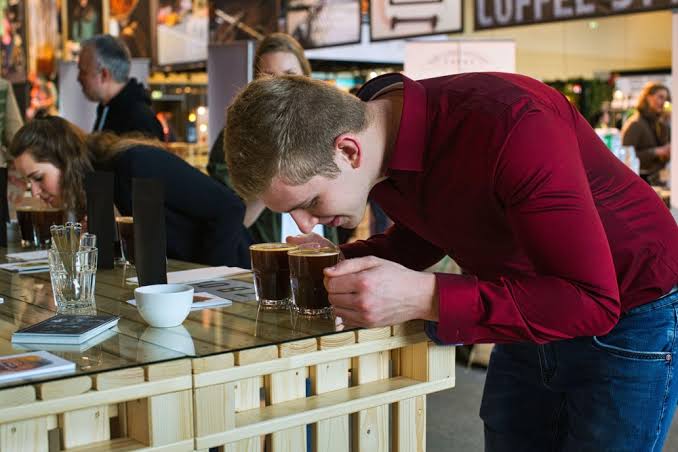
Customers may notice notes of fruit, chocolate, flowers, spices, or nuts. Such distinctions give each cup a stronger identity and make coffee selection more engaging.
Customers Are Learning More About Coffee
Coffee menus now often explain origin, processing style, roast level, and brewing method. This information helps guests make informed choices without requiring expert knowledge.
Baristas also play an educational role. Simple conversations about acidity, sweetness, body, or aroma can turn an ordinary order into a useful learning experience.
Brewing Has Become Part of Café Culture
Brewing methods have gained greater visibility in modern cafés. Pour-over, French press, AeroPress, and espresso preparation each produce different sensory results.
Baristas carefully control water temperature, grind size, contact time, and extraction. These details show customers that preparation can influence flavor as strongly as the beans themselves.
Cafés Are Becoming Social Hubs
Specialty cafés increasingly serve as meeting points for friends, professionals, students, and local communities. Comfortable seating, thoughtful interiors, and carefully prepared drinks support longer visits.
Regular customers often build relationships with baristas and fellow guests. This creates a familiar atmosphere where coffee becomes part of social routines rather than a quick purchase.
Sustainability Is Gaining Greater Attention
Responsible sourcing has become an important part of specialty coffee culture. Many cafés highlight direct trade, transparent purchasing, ethical farming, and environmentally conscious packaging.
Producers can benefit from stronger relationships with buyers, while customers gain greater visibility into coffee origins. These practices also encourage conversations about farming, pricing, waste, and long-term production.
Local Roasters Are Shaping Preferences
Independent roasters have helped bring greater variety to café menus. Smaller batches allow businesses to introduce seasonal beans and distinctive regional profiles.
Fresh roasting can also improve aroma and flavor. Cafés that work closely with local roasters can offer rotating selections, giving regular visitors new reasons to explore different coffees.
Technology Supports Better Consistency
Modern equipment has improved control across many stages of preparation. Digital scales, precision grinders, temperature controls, and advanced espresso machines help baristas repeat successful recipes.
Consistency matters because customers expect similar quality during every visit. Technology supports that goal while allowing skilled staff to focus on taste, service, and hospitality.
Conclusion
Specialty coffee is changing café culture by making quality, knowledge, sustainability, and community more visible. Customers now encounter greater variety, clearer information, and more deliberate preparation during everyday visits. Cafés have responded by creating spaces that encourage conversation, learning, and longer stays. Producers and roasters also receive greater attention as people become interested in coffee origins and production practices. This movement shows how a familiar beverage can create richer experiences through care at every stage.




Post Comment